We utilise essential cookies to ensure our website operates effectively and remains secure. Additionally, we'd like to request your permission to use optional cookies. These are intended to enhance your browsing experience by offering personalised content, displaying advertisements that are relevant to you, and helping us to further refine our website.
Choose "Accept all cookies" to agree to the use of both essential and optional cookies. Alternatively, select "Let me see" to customise your preferences.
Privacy Preference Centre
Our website utilizes cookies to enhance your browsing experience and to present you with content tailored to your preferences on this device and browser. Below, you will find detailed information about the function of cookies, enabling you to make informed choices about which cookies you wish to accept. Please note that disabling certain cookies might impact your user experience on our site. It's important to remember that cookie preferences need to be set individually for each device and browser you use. Clearing your browser's cache may also remove your cookie settings. You have the freedom to modify your cookie preferences at any point in the future.
For a comprehensive understanding of our use of cookies, please refer to our complete cookies policy.
These cookies are needed for the website to work and for us to fulfil our contractual obligations. This means they can't be switched off. They enable essential functionality such as security, accessibility and live chat support. They also help us to detect and prevent fraud. You can set your browser to block or alert you about these cookies, but it means some parts of the site won't work.
Performance and Analytics
These cookies allow us to measure and improve the performance of our site. They help us to know how popular pages are, and to see how visitors move around the site. If you don't allow these cookies, we won't know when you've visited our site, and we won't be able to monitor its performance.
Functional
These cookies enable us to provide enhanced functionality and personalisation. They may be set by us or by third party providers whose services we've added to our pages. If you don't allow these cookies, some or all of these services may not work properly.
Advertising
These cookies collect information about your browsing habits to show you personalised adverts. They may be used to build a profile of your interests and show you relevant adverts on other sites. They don't store directly personal information, but are based on uniquely identifying your browser and internet device. If you don't allow these cookies, the adverts you see will be less relevant.
Sour Beer Demystified: A Beginner’s Guide to Sours
The Rise Of Sour Beer
Sour beers, once a niche interest among craft beer enthusiasts, have steadily gained popularity in recent years, captivating palates with their complex flavours and refreshing tanginess. If you're new to the world of sour beer or simply curious about what sets them apart, this beginner's guide is your passport to understanding and appreciating these intriguing brews. From demystifying the basics to exploring popular styles and serving tips, let's embark on a journey to unravel the mysteries of sour beer.
What is Sour Beer?
Sour beer is a type of beer that has intentionally sour or tart flavours, typically achieved through the use of wild yeast strains or bacteria during the brewing process. This results in a unique and complex flavour profile that sets sour beers apart from traditional styles.
In the UK, sour beers have been making a splash with beer enthusiasts looking to try something different. Breweries across the country are experimenting with different techniques and ingredients to create sour beers that are both innovative and delicious, as well as different sour intensities!
You may be pleasantly surprised by the bold and refreshing flavours that sour beers have to offer. Cheers to trying something new and expanding your beer palate!
Exploring Popular Styles of Sour Beers
Sour beers come in a variety of styles, each with its unique characteristics and flavour profiles. Some popular styles include:
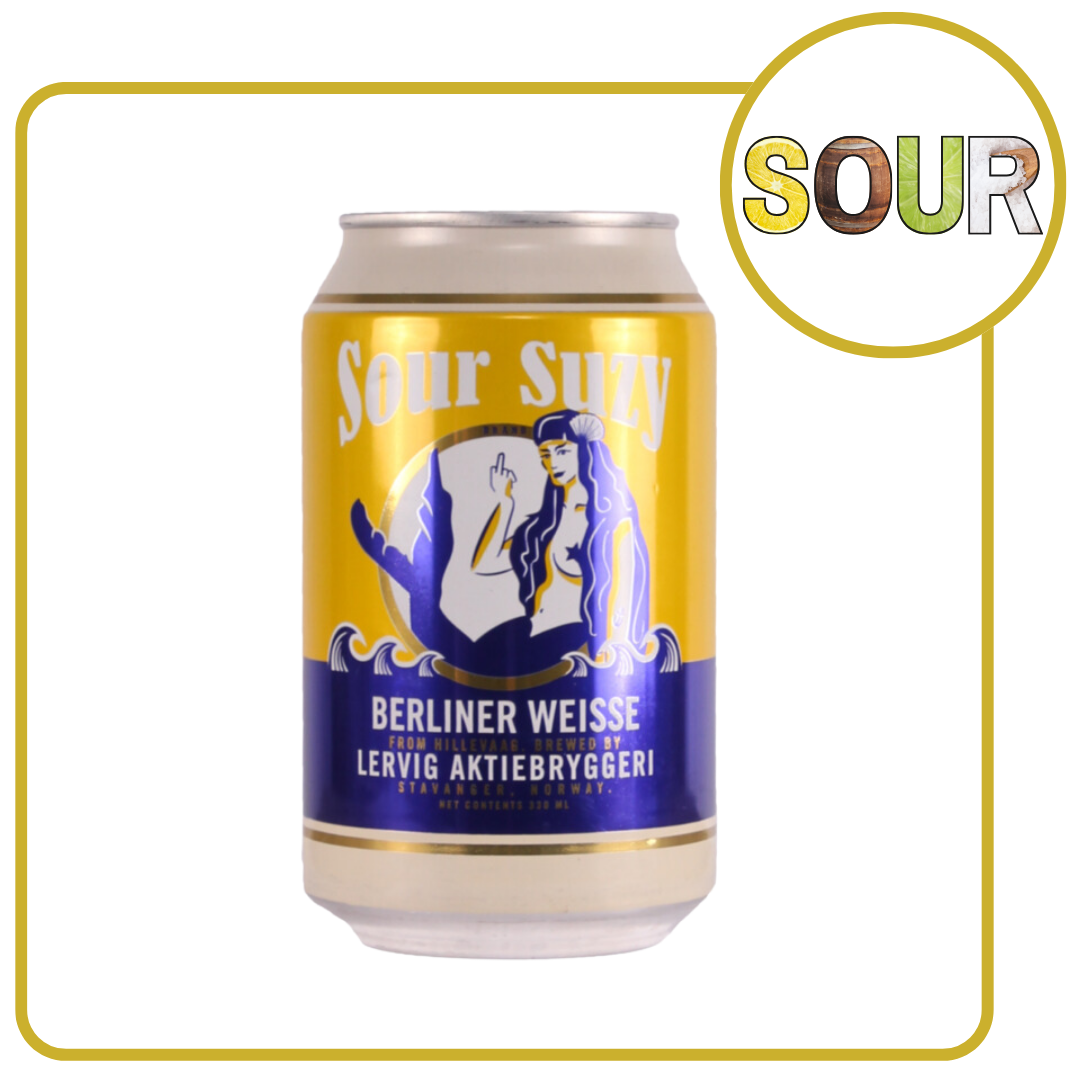
Berliner Weisse:
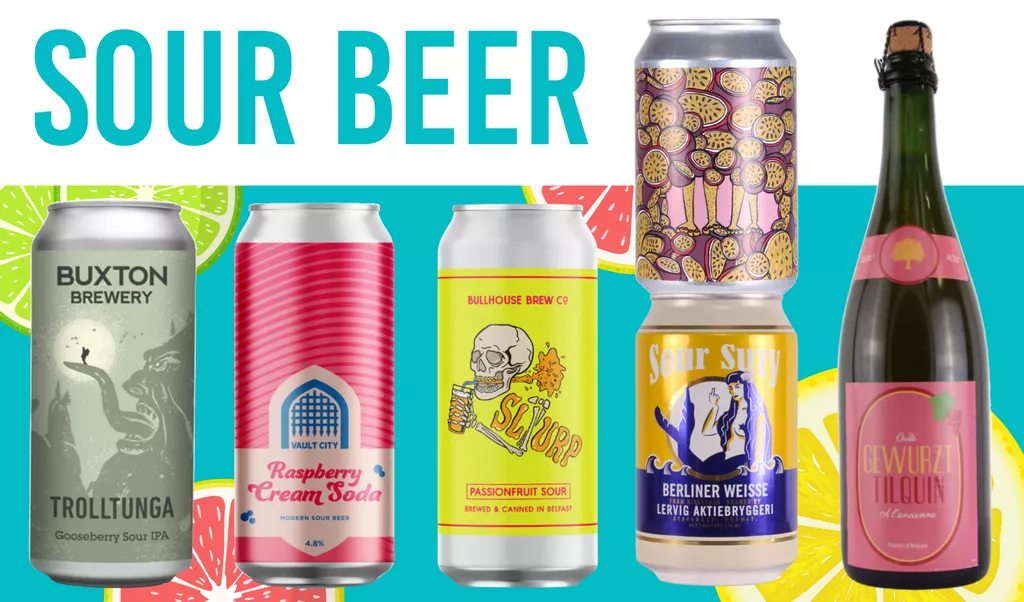
A German-style sour wheat beer is known for its light body, high carbonation, and crisp, refreshing acidity. Give Lervig’s Sour Suzy a try…
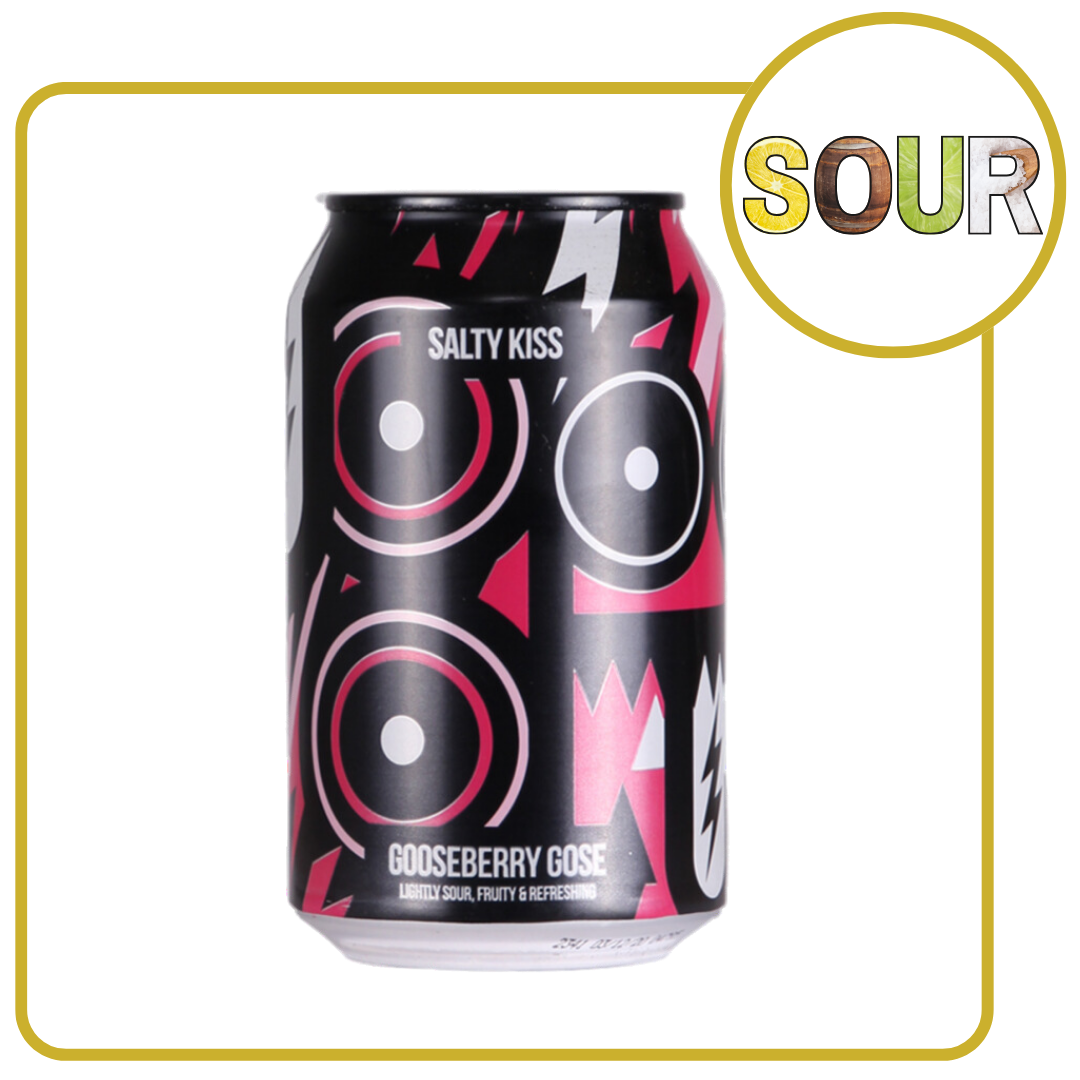
Gose:
Another German sour beer style, Gose is brewed with coriander and salt, resulting in a slightly salty and tart flavour profile. Why not give Magic Rock’s Salty Kiss a taste…
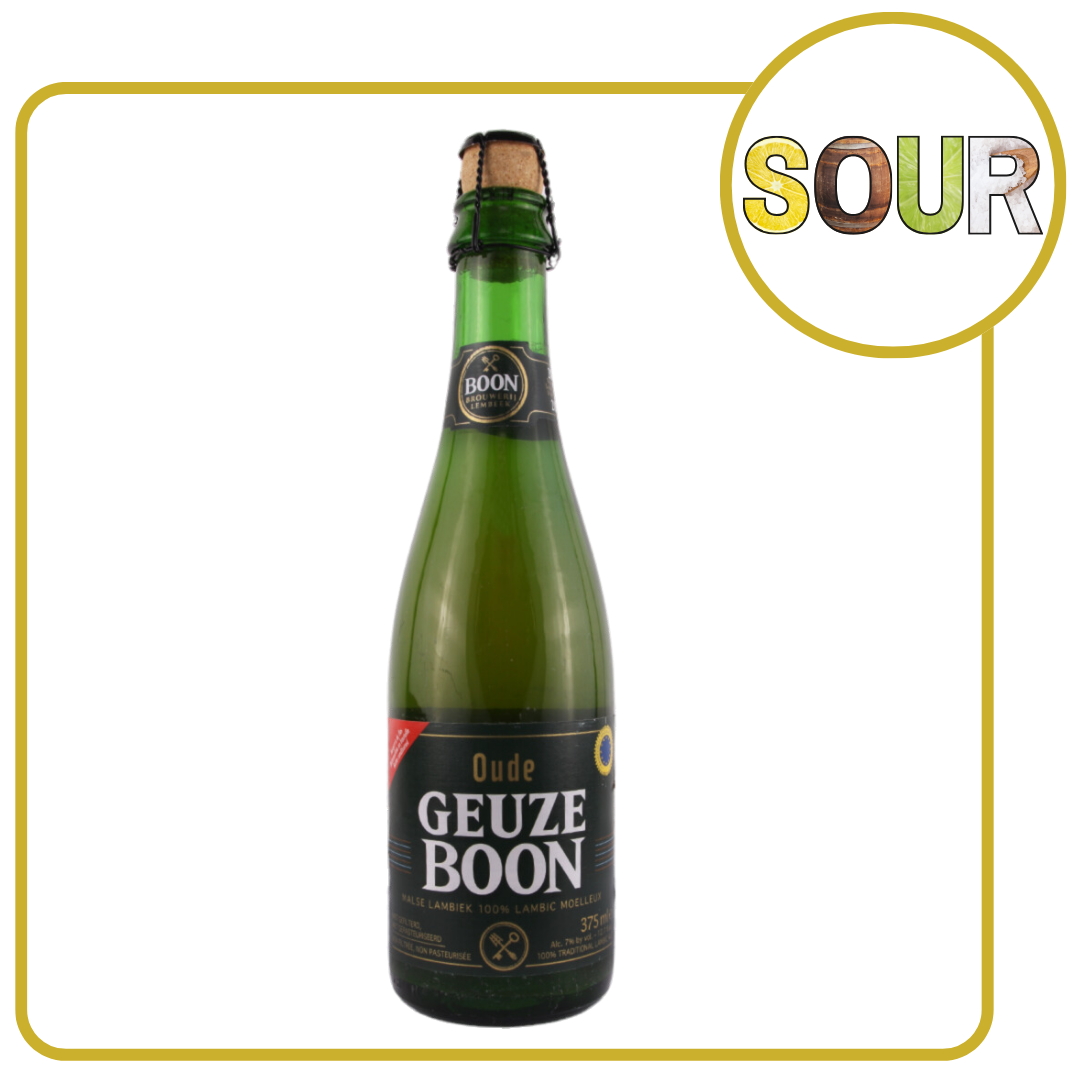
Lambic:
A traditional Belgian sour beer, Lambic is spontaneously fermented with wild yeast and aged in wooden barrels, resulting in complex, funky flavours with a pronounced sourness. Boon’s Oude Geuze is a popular choice…
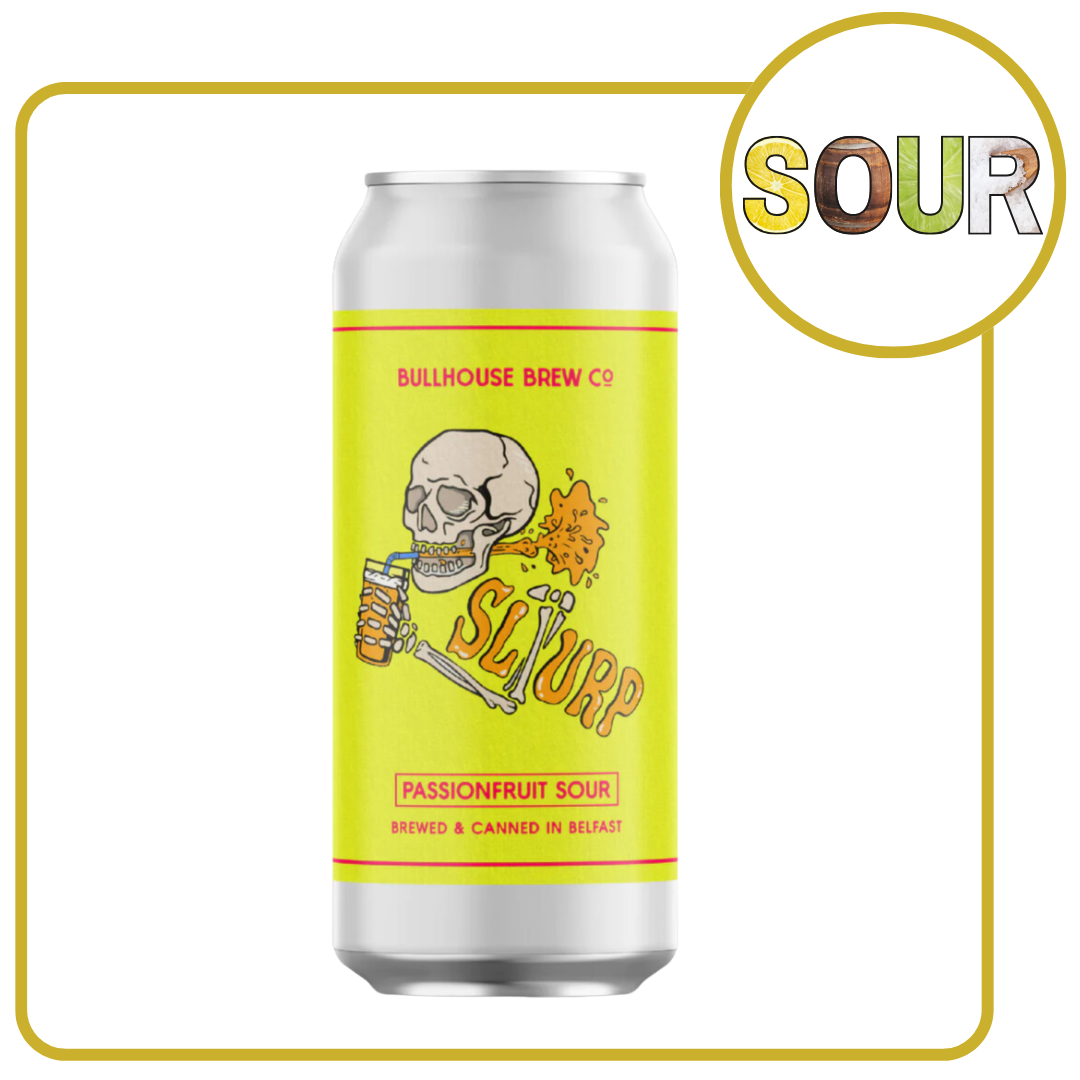
Fruited Sours:
These sour beers are infused with fruit during fermentation or ageing, adding layers of fruity sweetness to balance the tart acidity. Bullhouse Brew Co’s Slurp is a must try passionfruit sour…
The Brewing Process Behind Sour Beers
The production of sour beers differs from traditional brewing methods in several key ways. The process of making sour beers begins with the selection of specific yeast strains and bacteria that are known for producing sour flavours. These microorganisms, such as Lactobacillus and Brettanomyces, are introduced during the brewing process to ferment the sugars in the beer and create the signature sour taste.
One common method used to make sour beers is called "kettle souring." In this process, the wort (unfermented beer) is boiled and then cooled before introducing the souring bacteria. The bacteria are allowed to ferment the wort for a period of time, typically 12-48 hours before the beer is boiled again to kill off the bacteria and halt the souring process.
Another method used to create sour beers is barrel ageing. The beer is aged in oak barrels that have previously housed other sour beers or wines, allowing the beer to pick up flavours from the wood and any residual bacteria present in the barrels.
Once the souring process is complete, the beer is typically aged for several months to allow the flavours to develop and mellow out. The end result is a tart and complex beer that is perfect for sipping and savouring.
Flavour Profiles of Sour Beers
Sour beers boast a wide range of flavour profiles, from bright and citrusy to funky and complex. Let's dive into the world of sour beers and explore the different taste profiles you may encounter.
1. Tartness:
The most prominent flavour in sour beers is, of course, tartness. This tangy and acidic quality is what sets sour beers apart from other styles. The level of tartness can vary depending on the brewing process and ingredients used, but you can expect a puckering sensation that is both refreshing and satisfying.
2. Fruity Notes:
Many sour beers are brewed with fruits such as cherries, raspberries, or peaches, which impart a sweet and fruity flavour to the brew. These fruity notes can range from subtle hints to bold and vibrant flavours, adding complexity and depth to the overall taste profile.
3. Funky and earthy undertones:
Some sour beers may also exhibit funky or earthy undertones, thanks to the wild yeast and bacteria used in the fermentation process. These flavours can add a rustic and complex character to the beer, making each sip a journey of discovery.
4. Barrel-aged complexity:
Sour beers are often aged in oak barrels, which can impart additional flavours such as vanilla, coconut, or spice. The interaction between the beer and the wood creates a rich and nuanced taste profile that evolves over time, making barrel-aged sour beers a true delight for the senses.
Serving and Enjoying Sour Beers
When it comes to serving and enjoying sour beers, there are a few tips to keep in mind:
Serve at the Right Temperature
Sour beers are best enjoyed slightly chilled, around 45-50°F (7-10°C), to allow their flavours to shine without being muted by excessive cold.
Opt for a tulip glass or a stemmed goblet to enhance the beer's aromas and allow room for swirling.
Savour the Experience
Take your time to savour each sip, noting the beer's evolving flavours and aromas as it warms up in the glass.
Experiment with Food Pairings
Sour beers can be incredibly versatile when it comes to food pairings. Try pairing them with tangy cheeses, grilled seafood, or fruity desserts to complement their acidity and enhance the overall dining experience.
Sour beers offer a tantalising departure from the familiar flavours of traditional beer styles, inviting drinkers on a journey of exploration and discovery. Whether you're drawn to the bright acidity of a Berliner Weisse or the complex funkiness of a Lambic, there's a sour beer waiting to delight your palate and expand your appreciation for the art of brewing.
So, embrace the tartness, raise your glass, and embark on a sour beer adventure today!